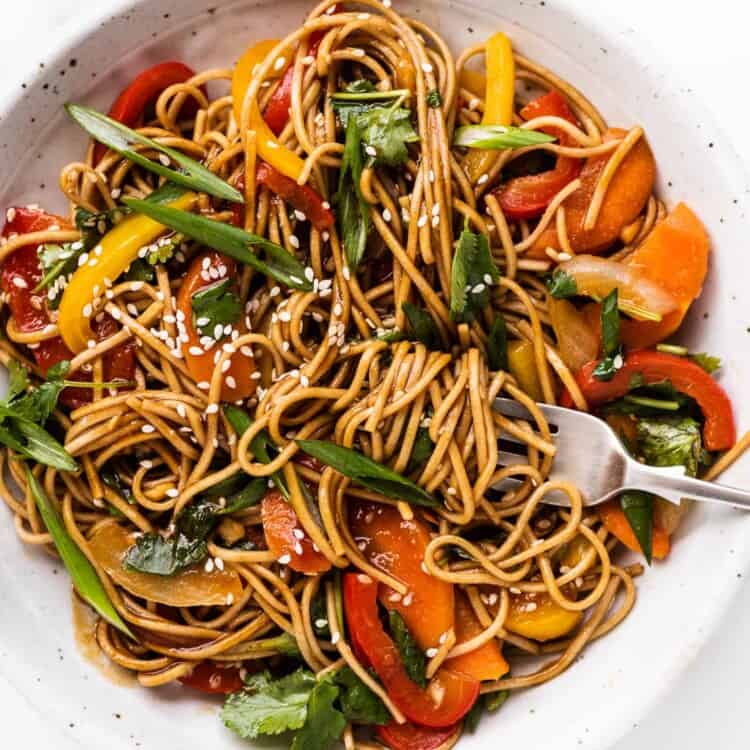
Soy Ginger Noodles

This post may contain affiliate links. Please read our disclosure policy.
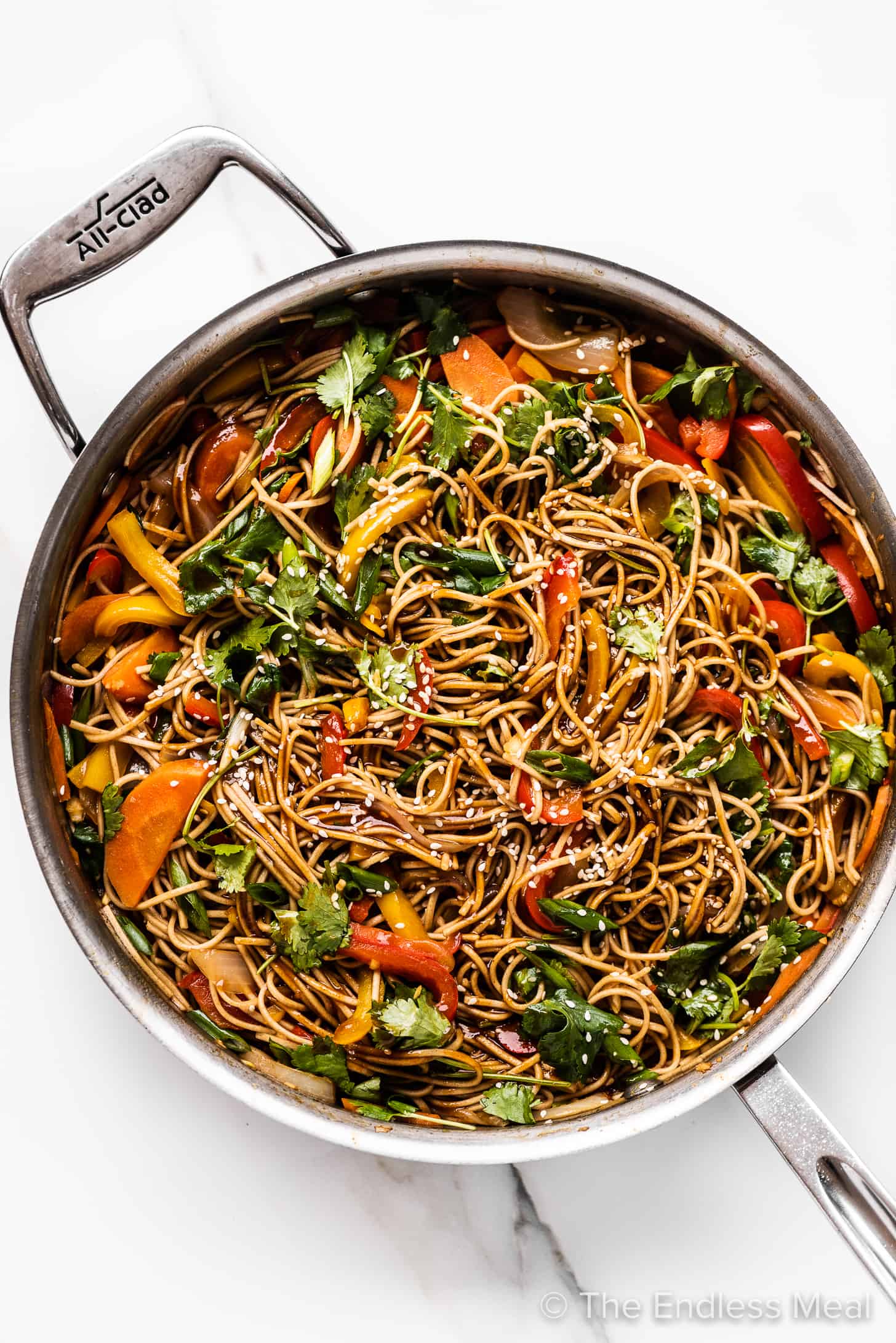
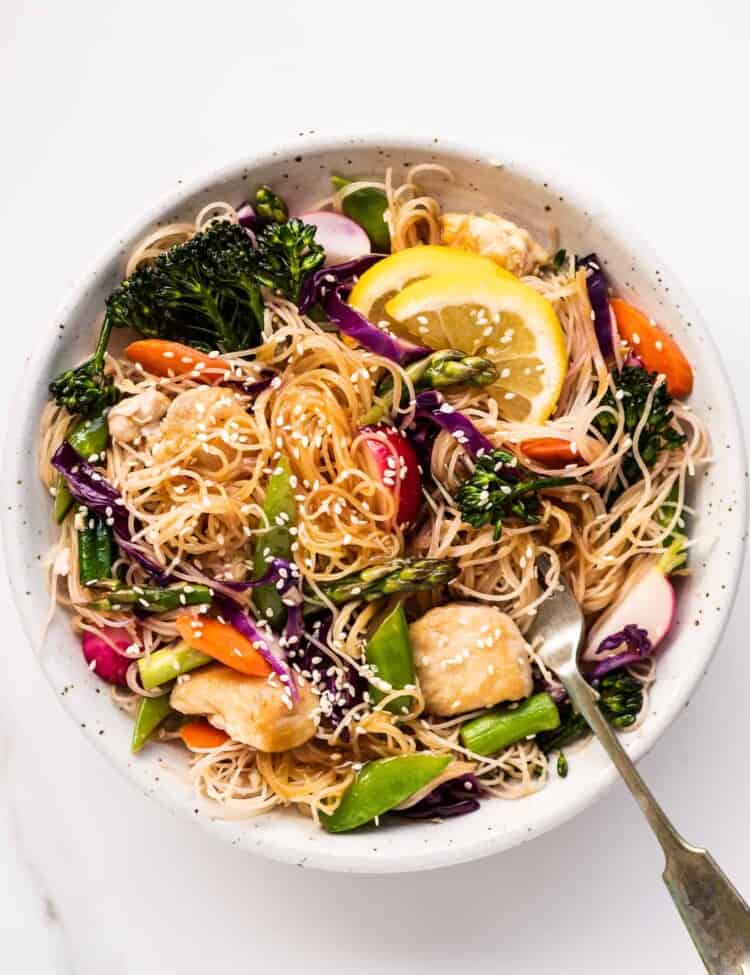
Here’s a 20-minute recipe for delicious and quick soy ginger noodles. It’s chewy soba noodles, lightly sautéed with a generous amount of fresh vegetables in a savory-sweet soy ginger sauce. It’s a better-than-take-out dish that can be served warm or cold, and leftovers make a tasty lunch!
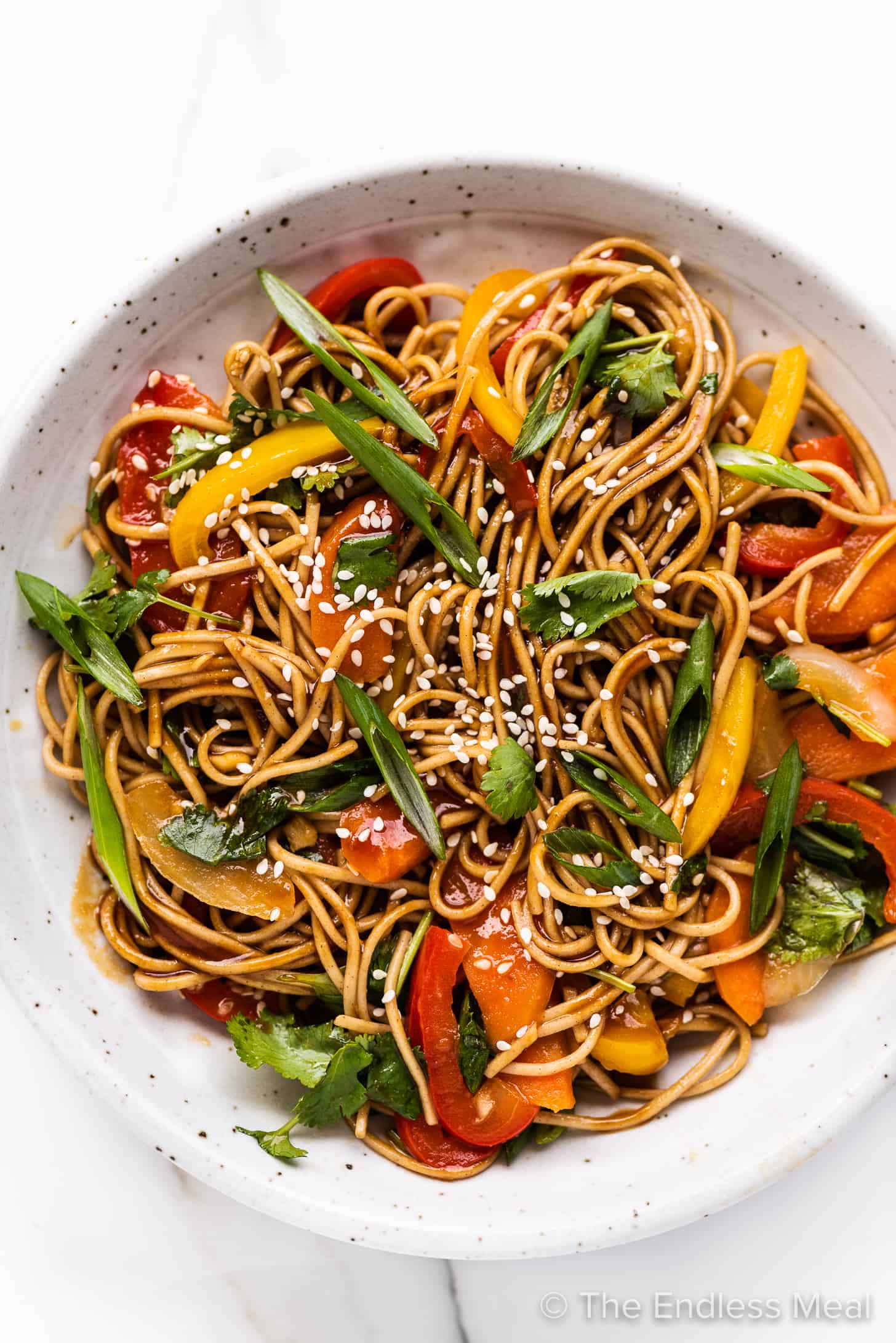
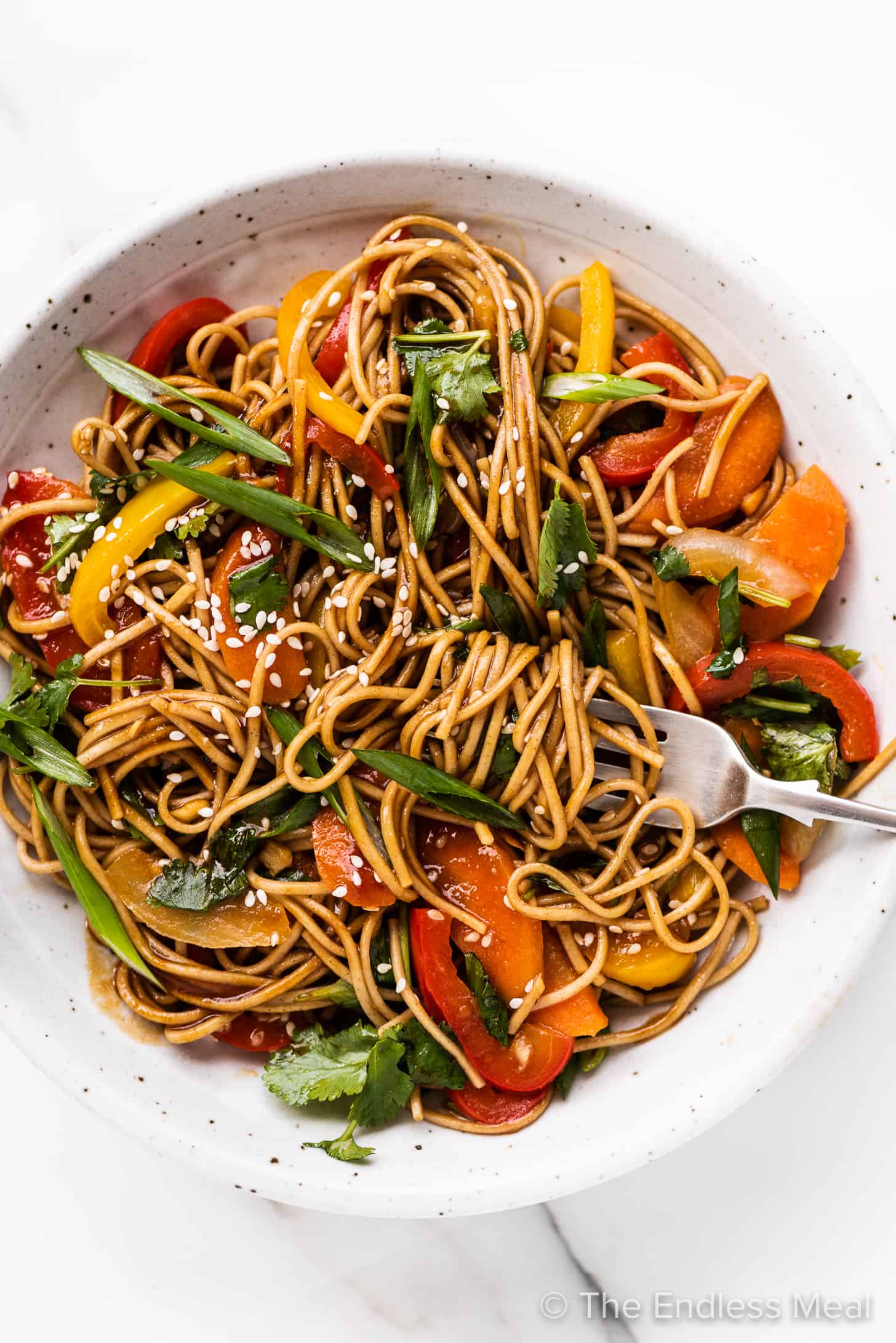
Would you like a colorful bowl of saucy soba noodles? Yes, please! It’s perfect to make on a weeknight when you want something delicious but don’t have much time. It also pairs well as a side dish with almost any main course, and it’s highly customizable by adding additional vegetables. Keep it vegetarian or top it with your favorite protein for a complete meal.
Dish it up into bowls or serve it up family-style on a platter at a potluck, party, or buffet. It’s a crowd-pleaser that holds up perfectly at room temperature, and leftovers make a delicious packable lunch.
Soy ginger noodle ingredients
Here’s what you’ll need to make these tasty noodles:
- Soba noodles – a thin, Japanese noodle made from buckwheat.
- Cooking oil – any neutral cooking oil will work.
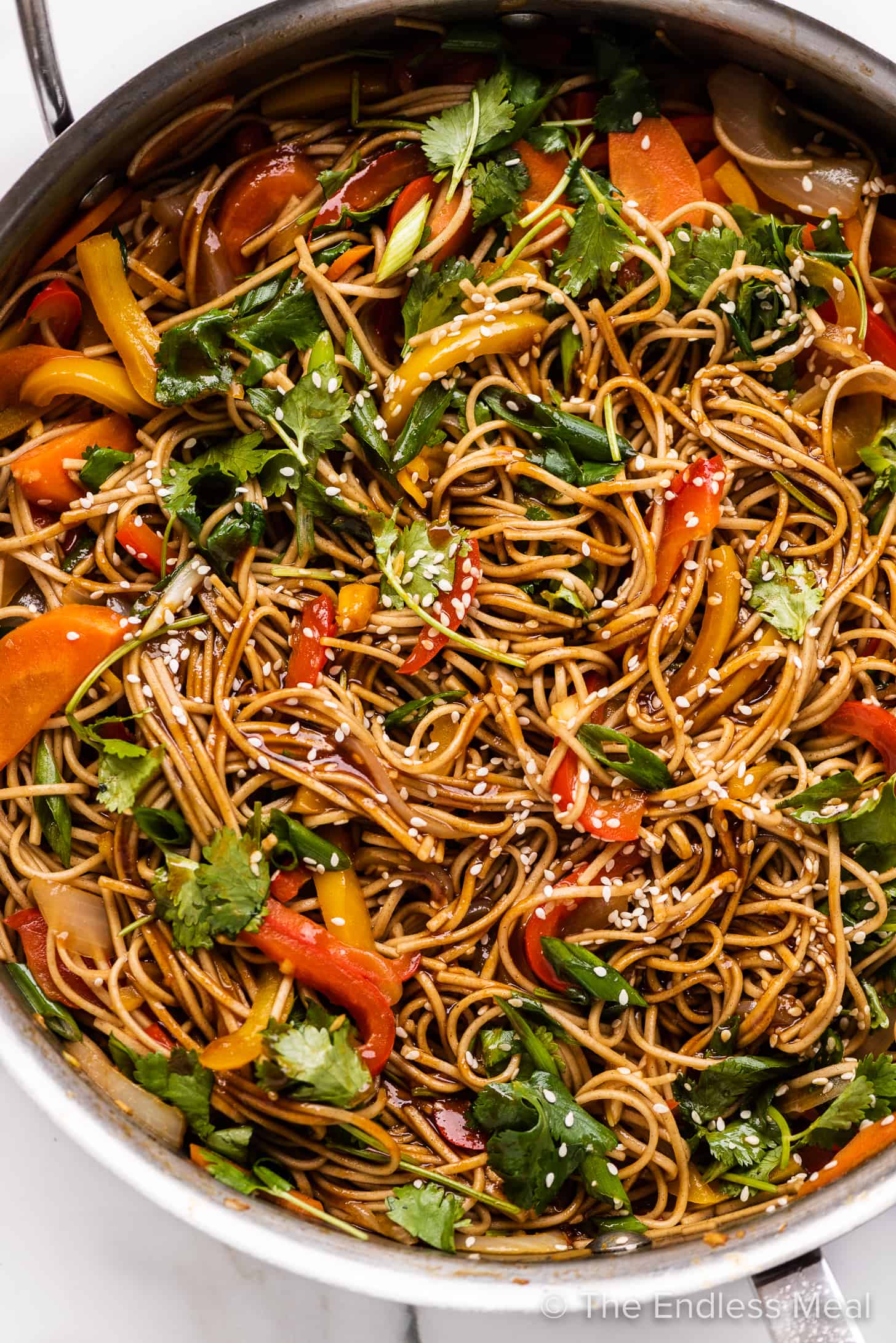
- Fresh vegetables – we use onion, carrot, and bell peppers but you can choose your favorite veggies or see our tips below for other vegetables ideas.
- Cilantro – for its fresh, and slightly citrusy flavor.
- Green onions – for their crunch and mild onion flavor.
- Sesame seeds – adds a little nutty crunch.
Variations to try
There’s a lot of flexibility with this noodle recipe. Here are some ways to mix it up:
- Add your favorite veggies to the mix like celery, snap peas, snow peas, zucchini, mushrooms, broccoli, bean sprouts, edamame, etc.
- Toss or top it with some protein like crispy tofu, sautéed prawns, chicken, or a soft-boiled egg.
- Toasted nuts are delicious sprinkled on top, too. We like chopped cashews, almonds, or peanuts.
How to reheat soy ginger noodles
Our favorite way to enjoy leftover soy ginger noodles is to reheat them in a pan. Toss them in a pan with a splash of water, and warm them over medium heat until heated through. This softens and rehydrates the noodles, while keeping things saucy.
Soy Ginger Noodles Recipe
Ingredients
- 10 ounces soba noodles
- 1 tablespoon cooking oil
- 1 medium onion (thinly sliced)
- 1 medium carrot (thinly sliced)
- 1 medium red bell pepper (thinly sliced)
- 1 medium yellow bell pepper (thinly sliced)
- ½ cup chopped cilantro
- ¼ cup sliced green onions
- 1 tablespoon sesame seeds
The Sauce
- ½ cup hoisin sauce
- ¼ cup soy sauce
- 3 tablespoons minced ginger
- 3 tablespoons mirin
- 3 tablespoons rice vinegar
- 1 tablespoon toasted sesame oil
- 2 cloves garlic (finely minced)
- Sriracha (to taste)
Instructions
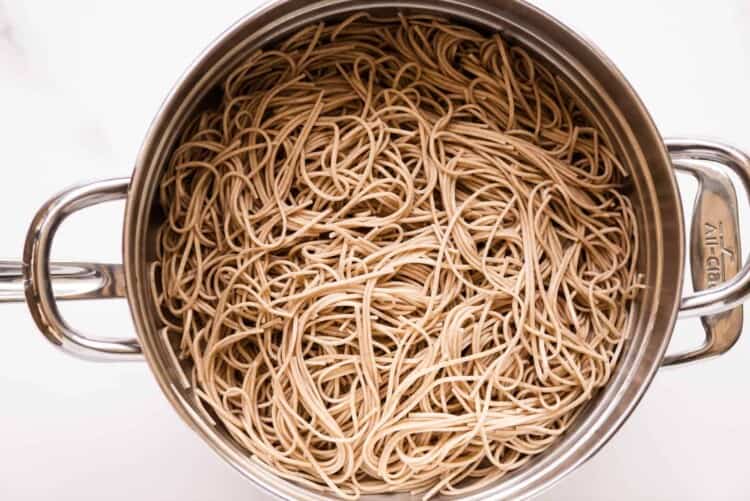
- Bring a medium-sized pot of water to a boil. Add the soba noodles and cook for half the recommended cooking time (usually 2 minutes) then drain and rinse well under cold water. You will want them to be firm and a little undercooked as they will cook more in the frying pan.10 ounces soba noodles

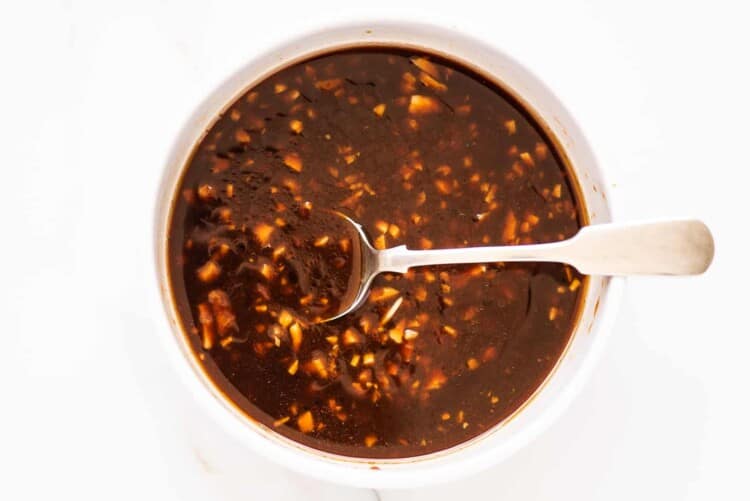
- Stir the sauce ingredients in a small bowl.½ cup hoisin sauce, ¼ cup soy sauce, 3 tablespoons mirin, 3 tablespoons rice vinegar, 1 tablespoon toasted sesame oil, 2 cloves garlic, 3 tablespoons minced ginger, Sriracha
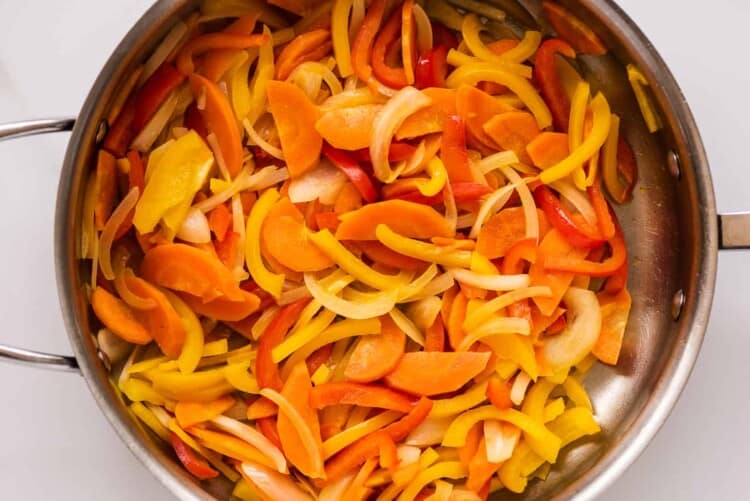
- Heat the oil in a large frying pan or wok over medium-high heat. Add the onion, carrot, and peppers and stir-fry for 2 minutes.1 tablespoon cooking oil, 1 medium onion, 1 medium red bell pepper, 1 medium yellow bell pepper, 1 medium carrot
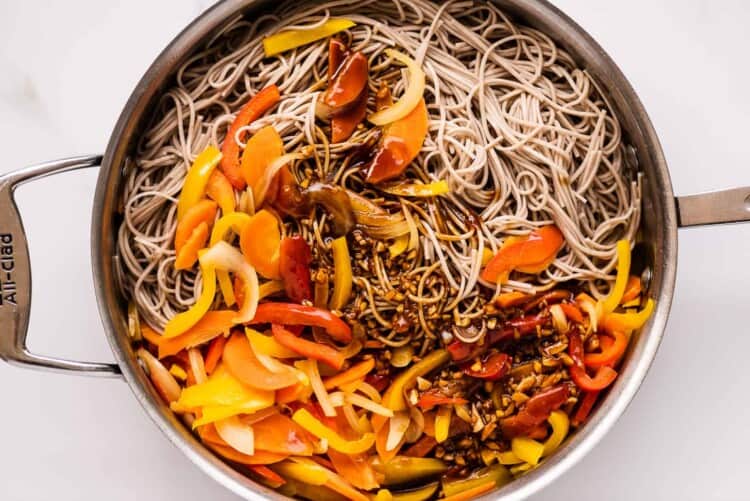
- Add the partially cooked soba noodles and the sauce to the frying pan with the peppers and toss to coat. Toss gently until the noodles have been reheated and are fully cooked, about 2 minutes. Stir in the cilantro, green onions, and sesame seeds.½ cup chopped cilantro, ¼ cup sliced green onions, 1 tablespoon sesame seeds
Notes
Nutrition
We have thoroughly tested this recipe for accuracy. However, individual results may vary. See our full recipe disclosure here.







I have to say I’m disappointed. I found it far too sweet and overpowering. I can’t even taste the vegetables or other ingredients in the sauce. It’s just sweet and syrupy. I had my doubts when I saw hoisin sauce on the list but felt the veggies and other ingredients in the sauce could offset the syrupy, claggy nature of the Hoisin. In fact, I even left about a quarter cup of the final sauce out of the dish because I see it was headed in the direction of being too much. I can’t even say I’ll eat the leftovers which really stinks bc veggies are so expensive. Sorry.
Wow!
Super delicious dish. Thank you for sharing.
This was very tasty and so easy to make! I love Asian noodle dishes so this was a great dinner for me. I subbed the peppers for baby corn and beansprouts as my veggies of choice. Would definitely make this again if I need a quick dinner option!
I wish you listed the calories for your recipes…love this one.
I found this meal on Pinterest and I am so glad I did! I made this for dinner tonight and it was delicious!!! It was restaurant quality…full of flavor and beautiful on our plates. It wasn’t too hard to make, although it did take me longer than 10 minutes to prep. I highly recommend making this for dinner sometime soon. This recipe is a keeper!!! Thanks!!
I love noodle salads. You can add pretty much whatever ingredients you want. Question though. Have you been able to find gluten free hoisin sauce? I’ve used my fair share of gluten free Asian sauces, but haven’t been able to find hoisin.
Love the blog Kristen
Hi Matt,
It is definitely not easy to find! Lee Kum Kee (the company that makes all sorts of Asian sauces) does have one that is gluten free. If you live in The States I’ve heard that Premier Japan makes one that is quite good. I haven’t seen them for sale here in Canada though.
Just made this. Perfection;)
Thank you!
I have cooked this recipe several times now, and my family absolutely LOVES it!!
I have been obsessed with Soba noodles ever since I ate them in Japan, but I can’t find them anywhere! Where do you buy them?
Hi Kaitie,
I get them at the little Asian market near my place. I’ve also bought them from some bigger Asian grocery stores. If you don’t have any Asian markets or grocery stores near you you might want to try online. 🙂